
Understanding How Your New Home's Water Heater Functions
Moving into a newly purchased house brings plenty of excitement, along with a lengthy list of unfamiliar mechanical components to inspect and understand. Among the most essential appliances operating quietly behind the scenes is the unit responsible for delivering reliable warmth to showers, sinks, dishwashers, and laundry rooms. While many homeowners rarely think about this utility until turning on the faucet yields an icy stream, taking the time to learn the basic mechanics of how domestic hot water systems operate pays significant dividends in long-term efficiency and comfort. Every residential water heater relies on a specific sequence of thermodynamic principles to regulate supply temperature, manage pressure, and cycle fresh water safely throughout the structure. Gaining a fundamental grasp of your new home's setup enables you to notice minor changes before they develop into major disruptions, helping you preserve household convenience from day one.
Examining the Primary Types of Heating Units
Modern residential structures utilize distinct configurations to provide domestic warmth for tap water, with each design employing unique mechanical processes.
Assessing Traditional Tank Storage Systems
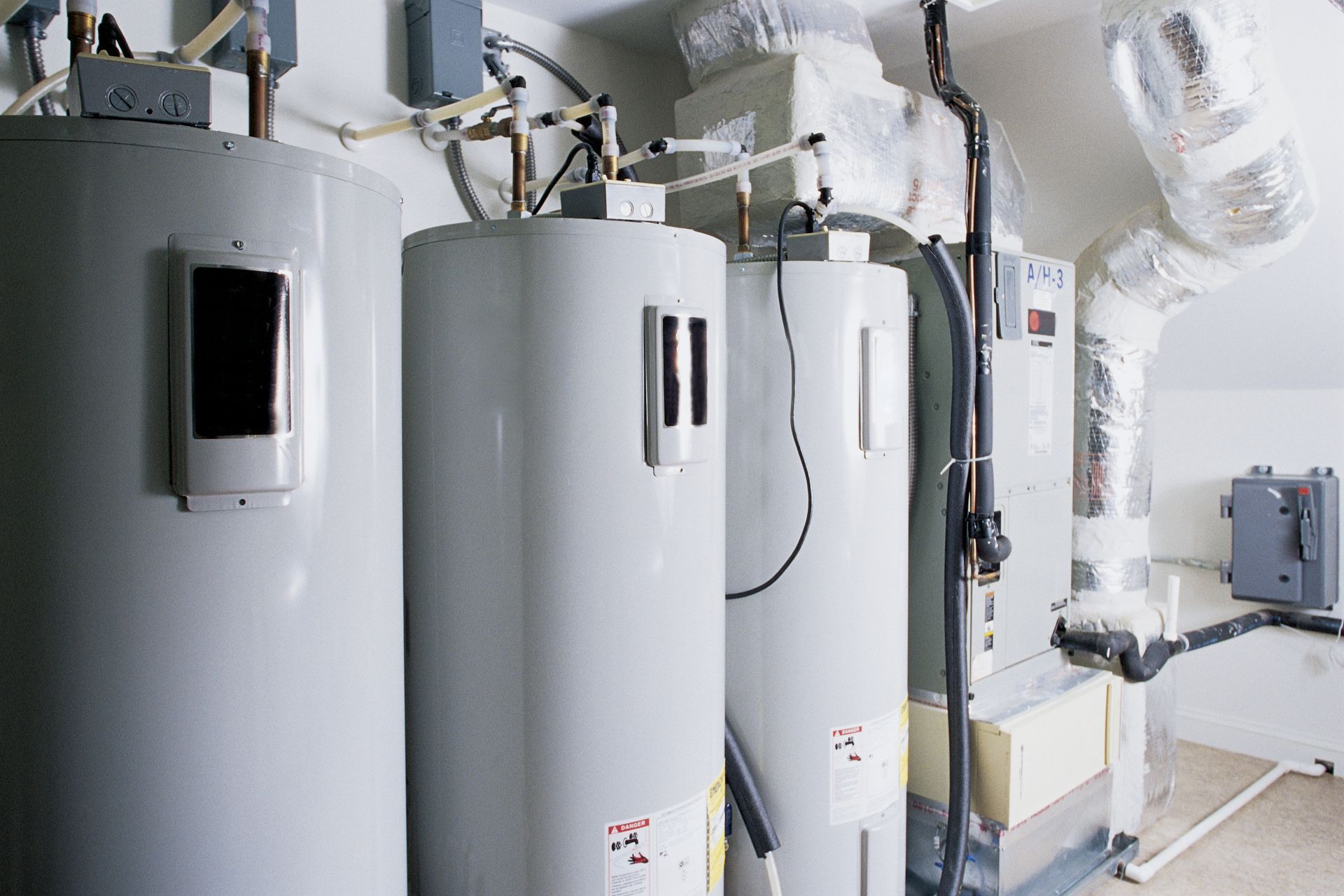
The most prevalent arrangement found across residential neighborhoods remains the conventional storage cylinder. Inside this design, a large insulated reservoir continuously holds anywhere from thirty to eighty gallons of water, keeping the volume at an elevated temperature until someone turns a handle. As hot liquid flows out through the discharge pipe atop the tank, cold replacement liquid enters through a downward dip tube near the base, initiating an automatic reheating cycle. A conventional storage water heater functions as a constant thermal battery, drawing upon either electricity or gas combustion to maintain set temperatures around the clock regardless of whether anyone is actively using the faucets.
Evaluating Tankless Demand Flow Systems
An increasingly common alternative avoids the continuous storage reservoir altogether, using high-output heating elements to warm incoming water strictly on an instantaneous basis. When a fixture opens, fluid sensors activate rapid heat exchangers powered by either electric resistance coils or gas burners. Because it fires up only upon active demand, a tankless water heater eliminates standby thermal losses completely, providing a continuous flow for individual fixtures. High simultaneous demand across multiple bathrooms can sometimes test the flow rate capacity of smaller units, making proper sizing and clear usage expectations important for large households.
Reviewing Heat Pump Hybrid Systems
Hybrid equipment operates by capturing warmth from the surrounding basement or utility room air rather than generating thermal energy directly from a dedicated fuel source. An internal refrigerant loop transfers that ambient room heat directly into the storage reservoir, functioning essentially like a refrigerator running in reverse. When household hot water demand surges beyond ambient extraction rates, auxiliary electrical resistance elements activate automatically to assist the cycle. Because ambient air provides the primary thermal resource, these configurations consume remarkably little power in suitable climates, operating with exceptional thermodynamic conservation across mild and warm seasons.
Understanding the Essential Mechanical Components
Regardless of whether an appliance utilizes natural gas burners or electric heating elements, several core assemblies ensure safe, steady, and reliable performance throughout the year.
Inspecting Fuel and Heat Generation Parts
Gas-fired systems feature a combustion burner beneath the reservoir, ignited by an electronic ignition or a small pilot flame, accompanied by a central exhaust flue running upward through the core of the cylinder to vent combustion byproducts safely outside. Electric counterparts forgo flues entirely, utilizing upper and lower submerged immersion elements controlled by dual thermostats that alternate heating cycles to maintain equilibrium throughout the vertical water column. Inside a gas-powered water heater, an adjustable mechanical thermostat senses temperature drops near the tank base, opening the primary gas valve to fire the burner until target temperatures are reestablished.
Managing Internal Pressure and Temperature Safeguards
Safety remains paramount in any pressurized thermal vessel, making the temperature and pressure relief valve an indispensable component on every unit. If internal water pressure or temperature ever climbs past acceptable manufacturer thresholds, this spring-loaded brass valve discharges a controlled quantity of water downward through an exterior discharge tube, preventing dangerous pressure buildup inside the residential structure. Regular visual inspections confirm that the discharge pipe remains unobstructed, clear of debris, and free from persistent dripping that might signal elevated internal stress.
Preserving the Tank with Sacrificial Anodes
Hidden inside the top portion of standard storage tanks hangs a sacrificial rod composed of magnesium or aluminum. Because minerals and electric micro-currents inside hot tap water naturally degrade metal, this sacrificial rod intentionally corrodes first, pulling galvanic reactions away from the inner steel liner to extend the overall lifespan of the primary tank vessel. Without a functioning anode rod, corrosive properties in tap water would attack exposed seams in the steel tank, leading to structural perforation and premature equipment retirement long before the mechanical controls wear out.
Optimizing Daily Energy Efficiency and Household Use
Water heating represents a substantial portion of regular domestic utility expenditures across all seasons, making daily operating habits particularly impactful on monthly power and fuel statements.
According to This Old House, approximately 15% to 20% of typical residential energy expenses stem directly from heating the water supply. Because of this substantial footprint, minor adjustments to operational settings deliver noticeable reductions in seasonal utility bills without sacrificing personal comfort. Lowering the primary dial to a moderate setting of 120 degrees Fahrenheit provides ample warmth for showers and appliances while drastically reducing standby heat loss and preventing accidental scalds at handwashing sinks.
Insulating accessible hot delivery pipes with pre-slit foam sleeves minimizes temperature drops as liquid travels across distant rooms to reach master bathrooms or kitchens. For an older storage water heater installed in an unconditioned space like a crawlspace or unfinished garage, adding an insulated outer jacket can further slow the pace of thermal transfer during cold winter periods. Installing low-flow aerators on sinks and showerheads similarly curbs volumetric demand, lightening the heating workload placed upon mechanical equipment each day.
Identifying the Warning Signs of Operational Failure
Even modern heating appliances eventually exhibit symptoms of mechanical wear, alerting occupants that attention from a professional team is warranted before a complete breakdown occurs.
Monitoring Unusual Noises and Rumbles
When dissolved minerals settle across the floor of a reservoir over months of operation, trapped moisture beneath the sediment layer begins to boil violently, producing popping, cracking, or deep rumbling sounds during active heating cycles. Left unaddressed, this sediment insulation forces lower metal elements or steel tank bottoms to overheat, stressing welds and degrading internal components prematurely. When sediment accumulation thickens, an aging water heater must burn fuel significantly longer to transmit warmth through the calcified layer, driving up operating costs while steadily wearing down internal metal surfaces.
Watching for Discoloration and Moisture Accumulation
Water displaying a rusty tint or metallic scent indicates that internal corrosion may have consumed the sacrificial core and started affecting the main cylinder shell. Discoloration that appears exclusively when running hot taps strongly points toward internal decay within the vessel rather than municipal supply lines. Similarly, the appearance of standing water around the base fittings, connection nipples, or relief valve lines suggests internal gasket failure, loose couplings, or hairline fractures within the containment vessel itself. Discovering small puddles around a domestic water heater requires prompt evaluation by qualified technicians before minor seepage evolves into sudden structural leakage and extensive water damage throughout adjacent flooring.
Taking the time to understand the equipment in your basement or utility closet grants peace of mind while protecting your household from unexpected cold showers and unnecessary utility waste. When your new home's
water heater requires routine maintenance, safety inspections, or expert replacement, the experienced technicians at Bradbury Plumbing, Heating, Air, & Electrical are ready to assist with prompt and dependable service.
Share On: