
Why Even Minor Leaks Should Be Addressed by Plumbers
A dripping faucet or a faint damp spot beneath a cabinet may seem harmless, but minor plumbing issues rarely stay small for long. Over time, even tiny trickles waste thousands of gallons of water, elevate monthly utility bills, and inflict structural decay on your home. Leaving hidden moisture unattended creates hazardous living conditions while escalating potential repair costs. For these reasons, property owners should always rely on certified plumbers to diagnose and resolve subtle plumbing problems before severe emergencies arise.
Understanding the True Dangers of Subtle Water Leaks
Most homeowners dismiss an occasional drip from a bathroom pipe or an intermittent puddle near an appliance as mere inconveniences. Unfortunately, water follows the path of least resistance, which means visible moisture often represents only a fraction of the actual problem. Water traveling along joists, subflooring, and wall cavities quietly compromises structural materials long before surface stains emerge.
When building materials remain wet, wood fibers weaken, drywall softens, and fastener integrity deteriorates. According to our team, damp enclosed spaces foster mold and mildew growth within 24 to 48 hours. Exposure to airborne spores presents serious health risks to occupants, especially individuals with respiratory sensitivities or compromised immune systems. Rather than viewing minor leaks as cosmetic nuisances, property owners must recognize them as early warnings of widespread damage that demands skilled diagnostic care.
Examining Why DIY Fixes Often Fail to Solve Plumbing Issues
When a drip appears, reaching for a wrench, silicone tape, or chemical sealant is an understandable impulse, but self-directed repairs regularly do more harm than good. Plumbing systems operate on precise water pressures, specific pitch requirements, and compatible pipe materials that require formal technical training to handle properly.
A temporary patch might conceal visible dampness while allowing water to continue escaping inside wall cavities or underneath cabinetry. Furthermore, commercial sealants and adhesive wraps degrade quickly when exposed to ongoing water pressure, creating a false sense of security that delays needed intervention. Overtightening fittings is another common mistake, frequently cracking fragile pipe threads or stripping compression valves. Certified specialists bring sophisticated acoustic sensors, thermal cameras, and pressure-testing equipment to locate the root cause without damaging existing infrastructure. Relying on professional expertise ensures the problem is corrected thoroughly at the source rather than merely masked.
Analyzing Common Areas Where Hidden Leaks Occur
Water lines run throughout residential properties, making leaks possible in numerous fixtures, appliances, and concealed spaces. Identifying vulnerabilities early helps property owners catch issues before catastrophic flooding takes place.
- Under-Sink Supply Lines: Flexible braided hoses feeding kitchen and bathroom faucets constantly endure high pressure, eventually developing hairline fractures near crimped connections.
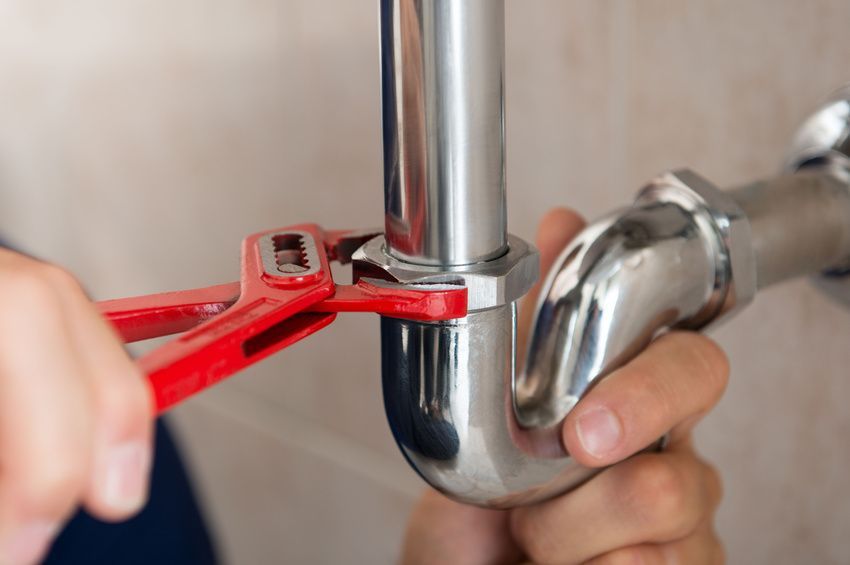
- Drain Assemblies and Traps: Sink strainers, P-traps, and slip joints loosen over time due to thermal expansion, vibrations, and regular usage.
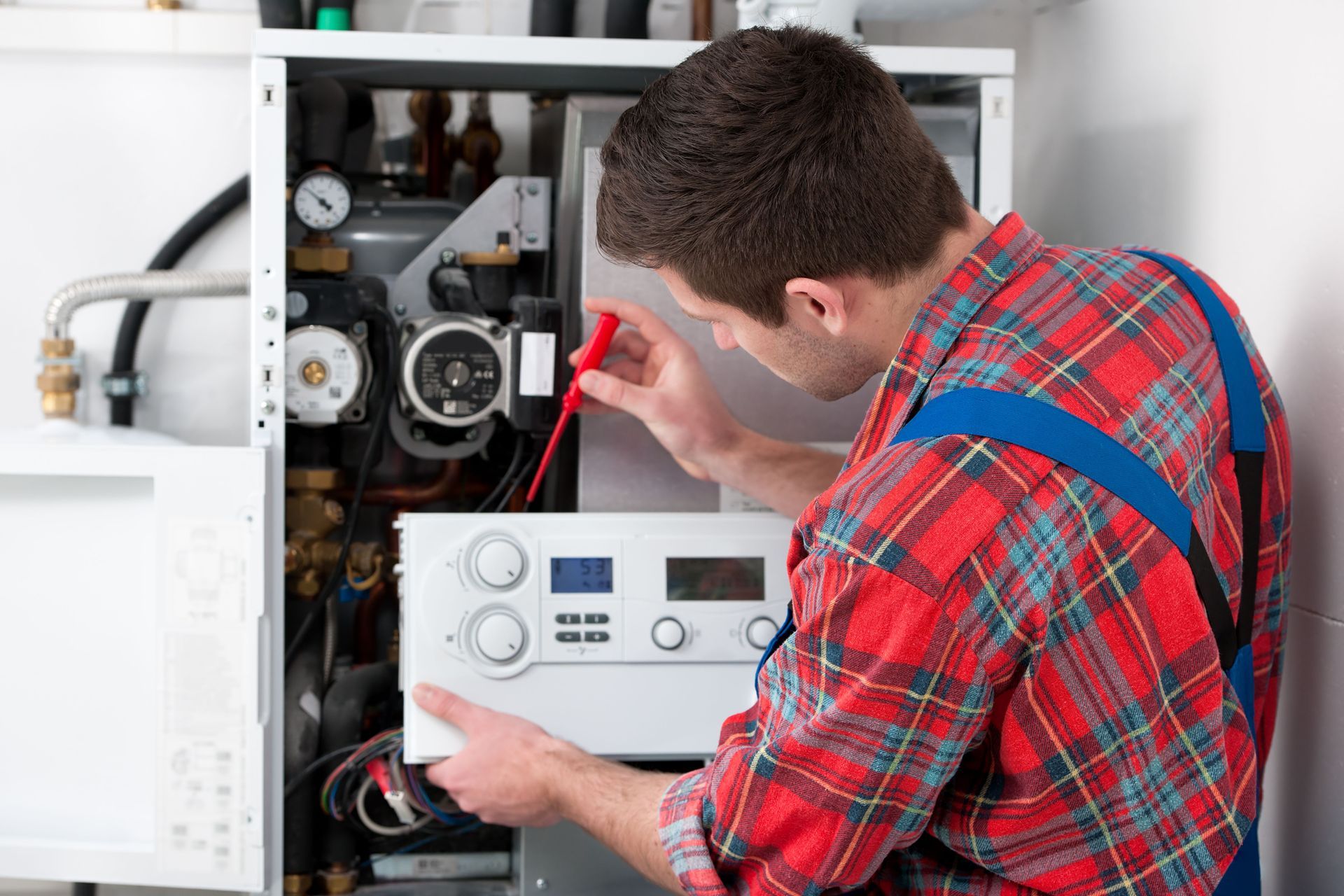
- Standard and Tankless Water Heaters: Deteriorating pressure relief valves, corroded internal tanks, and loose inlet nipples can cause ongoing base dripping that ruins surrounding flooring.
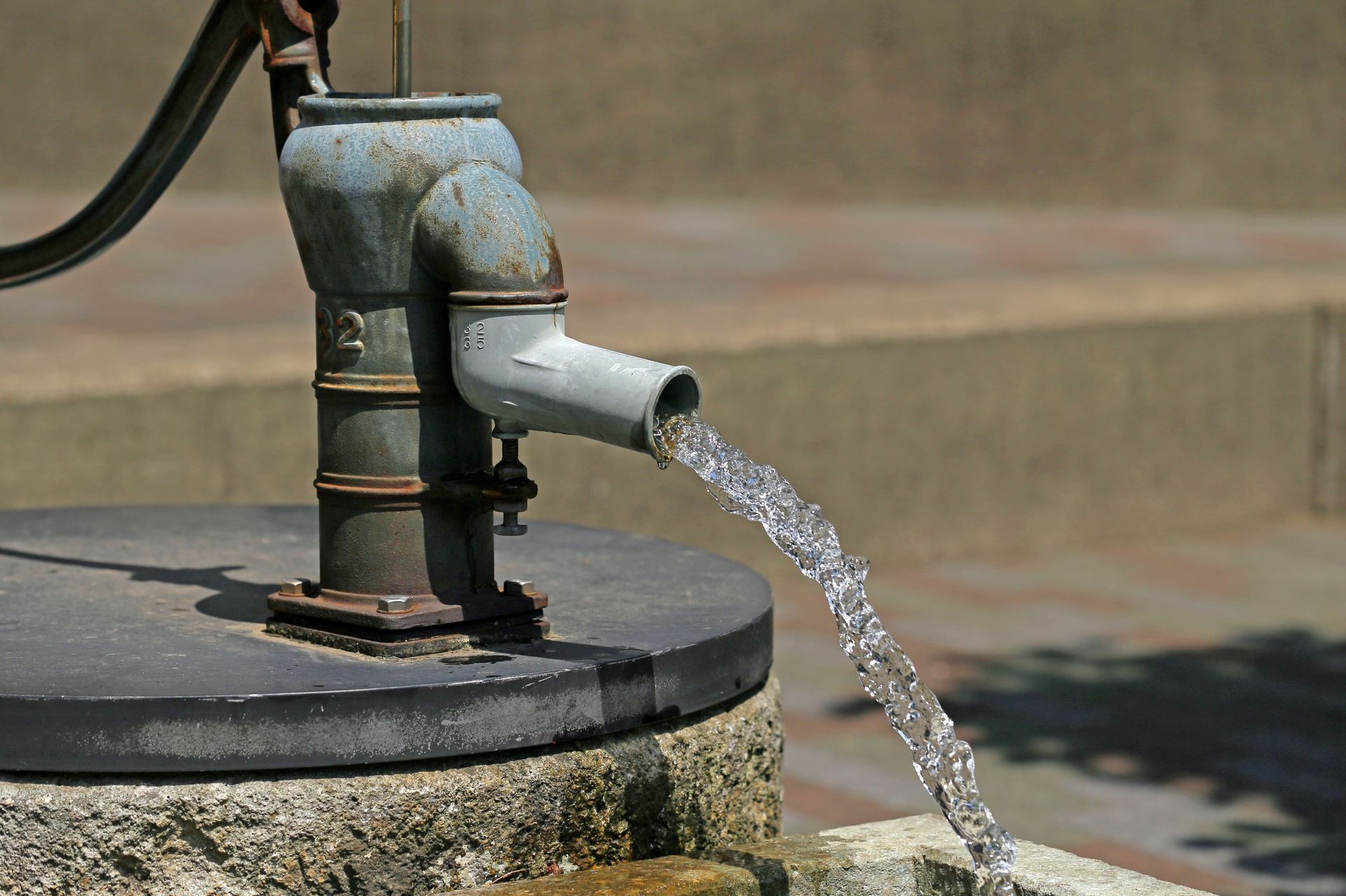
- Well Pumps and Pressure Tanks: Rural water systems experience seal failures, compromised pressure switches, and pipe stress that bleed water into basements or pump houses.
- Toilet Base Seals: A damaged wax ring allows wastewater to seep into subflooring during every flush without presenting an obvious puddle on finished bathroom surfaces.
According to This Old House, a three-inch pipe is typically used beneath toilets, while showers generally require two-inch drains, and kitchen sinks use one-and-a-half-inch pipes. Because these drain sizes carry varying volumes of water and debris, even minor blockages or loose fittings across different pipe diameters produce unique pressure changes that lead to pipe degradation and persistent seepage.
Uncovering Hidden Complications and Microbial Growth Behind Finished Walls
A major consequence of neglected seepage is the rapid degradation of indoor air quality through unseen biological contamination. When clean supply water or gray drainage water breaches containment, building insulation acts like a giant sponge, absorbing gallons of liquid without dripping through finished surfaces immediately.
Trapped in darkness with warm ambient temperatures, cellulose backing on sheetrock provides optimal fuel for toxic mold species such as Stachybotrys chartarum. As colonies mature, microscopic spores and microbial volatile organic compounds spread through central heating and ventilation ducts. What began as a pinhole drip behind a shower surround gradually turns into an airborne contaminant that triggers chronic headaches, persistent coughing, sinus congestion, and allergic flare-ups among family members. Remediating widespread environmental contamination demands specialized containment chambers, negative air machines, and expensive wall demolition, completely eclipsing the cost of a routine plumbing call.
Evaluating Water Quality and Pressure Irregularities That Trigger Pipe Ruptures
Plumbing components do not fail in a vacuum; they react continuously to environmental stresses flowing through their interior channels. When a home suffers from aggressive water chemistry, such as high concentrations of dissolved calcium and magnesium minerals, internal scale accumulates along pipe walls and fixture cartridges.
- Hard Water Calcification: Heavy mineral deposits stiffen rubber valve seals, pit metal ball valves, and restrict water flow, forcing connections to leak under standard operational cycles.
- Excessive Municipal Pressure: Water delivered at levels exceeding 80 pounds per square inch continuously stresses brass fittings, flexible hoses, and appliance valves, causing microscopic fissures.
- Galvanic and Pinhole Corrosion: Chemical imbalances in regional water supplies eat away copper pipe walls from the inside out, creating paper-thin pipe sections prone to sudden rupture.
- Thermal Expansion Wear: Closed water heating configurations lacking functional thermal expansion tanks repeatedly generate pressure spikes that weaken pipe joints.
Experienced plumbers evaluate total water parameters to verify that municipal supply pressure and mineral hardness stay within safe mechanical tolerances. Addressing these mechanical imbalances protects fixtures from premature wear and stops small drips from reoccurring across other branches of your distribution network.
Protecting Property Value and Preventing Extensive Structural Damage
The long-term financial consequences of ignoring subtle leaks extend far beyond elevated water bills. When moisture seeps continuously into floor joists, concrete slabs, and wall framing, repairing the resulting rot requires extensive demolition and reconstruction.
- Subfloor Warping: Hardwood floors cup, laminate planks bubble, and subfloor plywood delaminates, necessitating full floor replacements across entire rooms.
- Electrical Hazards: Water dripping near junction boxes, electrical outlets, or switches creates dangerous short circuits and serious fire hazards.
- Foundation Deterioration: Slab leaks erode foundational support soils, leading to uneven settling and major structural cracks across foundation walls.
- Insurance Claim Denials: Many homeowner insurance policies explicitly exclude coverage for damages caused by continuous or repeated seepage, leaving owners fully responsible for tens of thousands of dollars in repairs.
Investing in early intervention preserves the equity, comfort, and structural stability of your residential or commercial investment over decades of ownership.
Choosing Licensed Professionals for Reliable Diagnostics and Repair
Hiring qualified specialists guarantees that repairs comply with local building codes and modern safety guidelines. Experienced plumbers evaluate entire plumbing networks rather than simply fixing the symptom directly in front of them.
Trained technicians inspect supply pressures, examine water quality factors such as mineral hardness, and evaluate drainage flow to prevent recurring failures. They also possess the appropriate tools to replace corroded components, clear sewer lines via hydro jetting, and service specialized equipment like water softeners, well systems, and high-efficiency water heaters. Working with seasoned contractors ensures that all repairs carry dependable warranties, giving property owners total peace of mind.
Summarizing the Value of Timely Plumbing Maintenance
Postponing minor plumbing repairs inevitably turns simple fixes into expensive, stressful disasters that disrupt daily household routines. What appears to be an insignificant drip can quietly saturate framing timber, promote toxic mold, waste thousands of gallons of fresh water, and undermine foundational strength. Homeowners who act quickly avoid catastrophic water damage and preserve their property's market value. By scheduling an inspection at the earliest sign of moisture, property owners ensure their essential systems remain safe, durable, and fully operational for years to come. For dependable residential and commercial plumbing solutions that protect your property around the clock, contact Bradbury Plumbing, Heating, Air, & Electrical.

Share On: